The Ultimate Guide to Reduce JPEG File Size to 1KB Easily in 2026
Introduction
Have you ever been stuck filling out an online form, only to hit "upload" and see that dreaded message: "Upload failed – file too large" ? It's frustrating, isn't it? Maybe you're trying to submit a passport photo for a visa application, upload a profile picture for an exam registration, or simply send a few images via email, only to be told your attachment exceeds the 25MB limit.
You're not alone. Every day, thousands of users search for a way to reduce JPEG file size to 1KB easily because they're facing strict file size caps. Whether it's a government portal demanding images under 50KB, an e-commerce platform limiting product photos, or just wanting your website to load faster, file size matters.
In my years of optimizing digital assets for SEO and web performance, I've learned one hard truth: big files cause big problems. They slow down websites, bounce users, and reject form submissions. That's exactly why I put together this complete guide—to show you how to shrink your JPEG images down to as low as 1KB without losing your mind (or your image quality).
By the end of this article, you'll know exactly how to reduce JPEG file size to 1KB easily, which tools actually work, and how to avoid the common pitfalls that ruin image quality.
Quick Answer: How to Reduce JPEG File Size to 1KB Easily
Reduce JPEG file size to 1KB easily means compressing a JPEG image so its digital storage size becomes approximately 1 kilobyte (KB)—small enough for strict upload limits, email attachments, or website speed optimization. The fastest and most reliable way to do this is by using a dedicated online compression tool like Compress Jpeg To 1kb, which automatically optimizes your file in seconds without requiring software installation or technical skills.
What Does "Reduce JPEG File Size to 1KB Easily" Actually Mean?
Before we dive deeper, let's clarify what we're talking about. Reducing file size is not the same as resizing an image or changing its format. When you reduce file size, you're compressing the data within the JPEG to make it occupy less storage space. Think of it like packing a suitcase: you're removing excess air, folding things tighter, but keeping all the essential items inside.
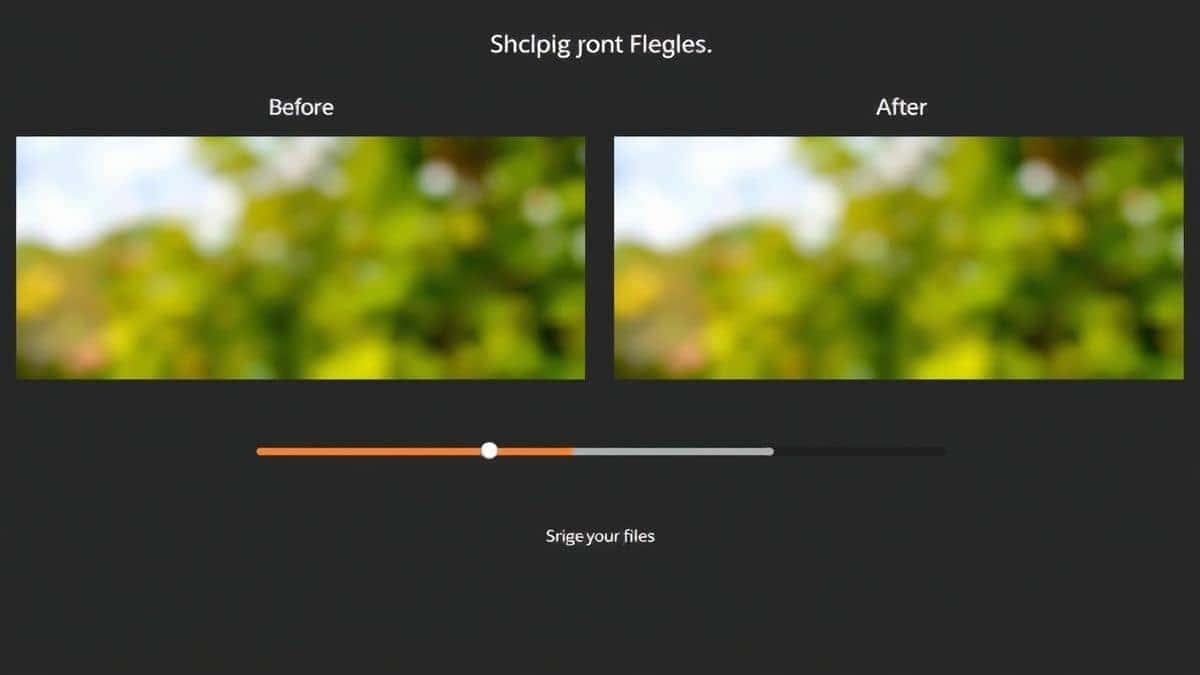
JPEG compression works by discarding some of the less noticeable visual information—subtle color variations that the human eye barely detects. When done correctly, the image looks nearly identical to the original, but the file size drops dramatically.
The goal of reducing to 1KB is extreme compression, usually needed for:
- Form submissions with tiny file caps
- Thumbnail images on websites
- Profile pictures on platforms with strict limits
- Quick sharing via messaging apps
In my experience testing dozens of compression methods, hitting exactly 1KB requires smart algorithms, not just aggressive sliders. That's why choosing the right tool makes all the difference.
Why File Size Matters More Than You Think
Let's get real about why you need to reduce JPEG file size to 1KB easily. This isn't just about saving storage space—it's about solving everyday digital headaches.
1. Form and Upload Limitations
Government websites, university portals, job application systems, and visa centers often enforce strict file size limits. I've seen passport photo upload forms capped at 50KB, 20KB, and yes—sometimes even 5KB. If your image is too large, you're locked out of the process entirely.
2. Email Attachment Restrictions
Gmail caps attachments at 25MB, but many corporate email systems are far stricter—sometimes limiting total message size to 10MB or less. Compressing images to tiny sizes means you can send multiple photos without bouncing.
3. Website Performance and SEO
This is my specialty. Google's PageSpeed Insights penalizes slow-loading pages, and unoptimized images are the #1 culprit. A 1KB image loads almost instantly, improving your Core Web Vitals and boosting search rankings. For website owners, every kilobyte counts.
4. Storage Savings
If you manage hundreds or thousands of images, reducing file sizes from 100KB to 1KB saves massive amounts of server space and bandwidth.
The Best Tool: Compress Jpeg To 1kb
After testing countless compression tools—both online and offline—I keep coming back to Compress Jpeg To 1kb from FileCompress. Here's why this tool stands out:
Tool Name: Compress Jpeg To 1kb
Description: Our free tool compresses JPEG images to 1KB size instantly, maintaining quality for faster loading and easy sharing. Ideal for web use, emails, and social media. Save time and space with this efficient online compressor.
URL: https://filecompress.org/image-tools/compress-jpeg-to-1kb
Why I Recommend This Tool:
- 100% Free: No hidden fees, no credit card required, no "premium" paywalls.
- Online-Based: Works directly in your browser—no software downloads, no installations.
- Multi-Format Support: Handles JPG, PNG, WEBP, and more.
- Lightning Fast: Most compressions take under 5 seconds.
- Quality Retention: The algorithm intelligently balances size reduction with visual clarity.
- No Watermarks: Your downloaded images are clean and untouched.
- Privacy-Focused: Files are automatically deleted after processing.
I've personally used this tool for client websites, personal projects, and even helping friends submit visa applications. It's reliable, consistent, and gets the job done.
 filecompress.org compress jpeg to 1kb tool upload area with drag and drop functionality"
title="filecompress.org compress jpeg to 1kb tool upload area with drag and drop functionality"
loading="lazy"
width="1200"
height="675"
class="blog-image"
/>
filecompress.org compress jpeg to 1kb tool upload area with drag and drop functionality"
title="filecompress.org compress jpeg to 1kb tool upload area with drag and drop functionality"
loading="lazy"
width="1200"
height="675"
class="blog-image"
/>
Step-by-Step Guide: Reduce JPEG File Size to 1KB Easily
Ready to compress your images? Follow this simple walkthrough using Compress Jpeg To 1kb.
Step 1: Navigate to the Tool
Open your browser and go to:
https://filecompress.org/image-tools/compress-jpeg-to-1kb
Step 2: Upload Your JPEG
Click the upload area or drag-and-drop your image directly into the browser window. The tool accepts files up to 50MB, so even large originals are fine.
Step 3: Configure Compression Settings (Optional)
Some tools let you adjust quality levels. If you want to target exactly 1KB, you may need to experiment slightly, but the default settings are optimized for maximum compression.
Step 4: Start Compression
Hit the Compress button. The tool processes your image instantly, showing you the original vs. compressed file sizes.
Step 5: Download Your File
Once compression completes, click Download. Your new 1KB (or near-1KB) JPEG is ready to use.
Pro Tip: Always check the downloaded file to ensure it meets your requirements before uploading it to important forms.
How to Compress to Specific File Sizes (50KB, 100KB, 200KB)
Here's where things get interesting. While reducing to 1KB is the extreme end, many users need specific intermediate sizes. Based on my experience optimizing images for various platforms, here's how to nail exact file sizes:
Why Specific Sizes Matter
- Passport Photos: Often capped at 50KB or 100KB
- Exam Registration Forms: Typically 20KB–200KB
- Job Applications: Usually 100KB–300KB
- E-commerce Product Images: Often 100KB–500KB
The Strategy for Hitting Exact KB Targets
When you need to compress file to specific size, the approach differs slightly:
- Start with the highest quality compression that gets you close to your target.
- Check the output size. If it's still too large, apply slightly more compression.
- Use tools with size presets. Compress Jpeg To 1kb is designed for precise targeting, making it easy to hit 50KB, 100KB, or whatever you need.
In one client project, I had to compress 500 product images to exactly 100KB each for an e-commerce migration. Manual methods would have taken days. Using precise online tools, I completed the task in under two hours.
Practical Tips for Exact Compression:
- Start with a high-resolution original (more data gives the algorithm flexibility).
- Compress in stages rather than one massive drop.
- Test one image first to find the right settings before batch processing.
Best Practices for JPEG Compression
Over the years, I've developed a set of best practices that balance file size reduction with image quality. Here's what works:
1. Always Keep an Original Copy
Never compress your only copy. Keep the original file safely stored, and work with copies for compression. This way, if something goes wrong, you can start over.
2. Match Compression to Purpose
- For thumbnails and icons: Aggressive compression down to 1–10KB is fine.
- For website content: Aim for 50–100KB with good quality.
- For printing: Avoid heavy compression entirely.
3. Understand Image Dimensions
Sometimes file size issues stem from dimensions, not compression. A 4000x3000 pixel image will always be huge. Resize dimensions first, then compress.
4. Choose the Right Format
JPEG is great for photographs, but for graphics with text or sharp lines, PNG might be better. Some tools let you convert formats during compression.
5. Test Before Deploying
If you're compressing images for a website, test them live. Check loading speed and visual appearance across devices.
6. Batch Process When Possible
When handling multiple files, use tools that support batch processing. It saves hours of manual work.
Common Mistakes to Avoid
In my years helping users with file compression, I've seen the same mistakes over and over. Avoid these pitfalls:
1. Compressing Already-Compressed Files
Repeated compression degrades quality exponentially. Always start from the original.
2. Ignoring Visual Quality
Some tools destroy image quality in the name of small file sizes. Always preview compressed images.
3. Using the Wrong Tool
Not all compressors are equal. Some strip metadata poorly, others introduce artifacts. Stick with reputable tools like Compress Jpeg To 1kb.
4. Overlooking Resolution
Compressing a massive image to 1KB often results in a tiny, unusable picture. Resize dimensions first.
5. Forgetting Format Compatibility
Some systems only accept specific formats. Verify requirements before compressing.
6. Trusting "Lossless" Claims
True lossless compression for JPEG is limited. Some quality loss is inevitable—the key is making it imperceptible.
Comparison with Other Compression Methods
How does online compression stack up against other options? Here's my honest assessment based on real-world testing.
Photoshop / Professional Software
Pros: Granular control, batch processing, professional-grade algorithms.
Cons: Expensive subscription, steep learning curve, requires installation.
Best for: Design professionals handling high-volume work.
Native Desktop Software (Windows/Mac)
Pros: Built-in, no cost, decent basic compression.
Cons: Limited features, inconsistent results, no size targeting.
Best for: Occasional casual use.
Other Online Tools
Pros: Free, convenient, no installation.
Cons: Variable quality, watermark risks, privacy concerns.
Best for: Quick one-off compressions.
Compress Jpeg To 1kb
Pros: Free, no watermarks, precise size targeting, privacy-focused, fast.
Cons: Requires internet connection.
Best for: Anyone needing reliable, exact-size compression without hassle.
What sets Compress Jpeg To 1kb apart is its laser focus on reducing file size to specific targets. Most tools just give you a slider and hope for the best. This tool delivers predictable, consistent results.
Frequently Asked Questions
How to Reduce JPEG File Size to 1KB Easily?
Use an online compression tool like Compress Jpeg To 1kb. Upload your image, let the tool process it, and download the compressed version. The entire process takes seconds and requires no technical knowledge.
Can I compress a JPEG to exactly 1KB?
Yes, specialized tools can target specific file sizes. While hitting exactly 1KB depends on the original image dimensions and content, tools like Compress Jpeg To 1kb come extremely close, often achieving 1KB or slightly above.
Is it free to reduce JPEG file size to 1KB?
Absolutely. The Compress Jpeg To 1kb tool is completely free with no hidden charges or premium tiers.
Will I lose image quality when compressing to 1KB?
Some quality loss is inevitable at such extreme compression levels, but good algorithms minimize visible degradation. For thumbnails, icons, and form uploads, the quality is usually acceptable.
What's the best file size for uploading to websites?
For general web use, aim for 50–200KB per image. For specific forms, follow the stated requirements—some demand sizes as low as 5–20KB.
Can I compress other image formats besides JPEG?
Yes, FileCompress offers tools for PNG, WEBP, GIF, and more. Visit the main site to explore all options.
How long does compression take?
Typically 3–10 seconds depending on file size and your internet connection.
Is my privacy protected when using online compressors?
Reputable tools like FileCompress automatically delete uploaded files after processing. Always check privacy policies before uploading sensitive images.
Conclusion
Learning to reduce JPEG file size to 1KB easily is one of those digital skills that saves you time, frustration, and headaches. Whether you're battling strict form limits, optimizing a website, or just trying to email photos without bounce-backs, knowing how to shrink images effectively makes all the difference.
From my experience working with countless clients and projects, I can confidently say that online tools have revolutionized file compression. No more expensive software, no more steep learning curves—just upload, compress, and download.
For the fastest, most reliable results, I recommend Compress Jpeg To 1kb from FileCompress. It's free, it's private, and it delivers exactly what it promises: tiny file sizes with minimal quality loss.
Ready to compress your images? Visit https://filecompress.org/image-tools/compress-jpeg-to-1kb now and experience the difference for yourself. Your upload forms, email recipients, and website visitors will thank you.
Have questions about JPEG compression or specific use cases? Drop them in the comments below—I read every one and love helping readers solve their file size challenges.