The Ultimate Guide to Extract ZIP Files Online Free Without Software in 2026
Introduction
We've all been there. You're trying to upload an important document—maybe your passport photo for a visa application, a portfolio piece for a job submission, or simply some family photos to share via email—and then it happens. Upload failed. The dreaded message appears: "File too large" or "Maximum file size exceeded."
Nothing kills productivity quite like being stopped dead in your tracks by file size restrictions. Whether you're dealing with email attachment limits (typically 10–25MB), website form caps (often 2–5MB for images), or application portals that require documents under 500KB, oversized files are a universal frustration.
The good news? You don't need expensive software, technical expertise, or hours of time to solve this problem. In fact, you can extract ZIP files online free without software in seconds, and more importantly, you can compress any file—images, PDFs, videos—to the exact size you need.
In this guide, I'll walk you through everything I've learned from years of optimizing files for websites, client projects, and personal use. I'll show you why file size matters, how to fix oversized files instantly, and the exact tool I recommend (and use myself) for hassle-free compression.
Quick Answer
Extract ZIP files online free without software means using a web-based tool to open and extract compressed folders (ZIP files) instantly through your browser, with zero downloads or installations. The fastest solution is using ZIP File Extractor at filecompress.org/zip-tools/zip-extractor—upload your ZIP file, extract contents in seconds, and download individual files. Most tools also let you compress files further if they're still too large.
What is Extract ZIP Files Online Free Without Software?
Let's clarify something important right away: extracting ZIP files is not the same as compressing them, though the two concepts work hand in hand.
When you extract a ZIP file, you're simply unpacking compressed contents—like opening a box to see what's inside. But when users search for "extract ZIP files online free without software," they're often dealing with two scenarios:
- They have a ZIP file they need to open (maybe someone sent them a folder of images)
- They have files that are too large and need compression (often confusing ZIP extraction with file size reduction)
The real magic happens when you combine both: extracting your files and then compressing them to the specific size requirements for uploads, emails, or websites.
In my experience testing dozens of online tools over the years, most free extractors only do half the job. They'll open your ZIP file but leave you with oversized images or documents that still won't upload anywhere. That's why finding a tool that handles both extraction AND intelligent compression is a game-changer.
Why File Size Matters (More Than You Think)
After optimizing files for hundreds of websites and client projects, I can tell you that file size isn't just a technical detail—it's often the difference between a smooth user experience and complete failure.
Form and Portal Upload Limits
Government portals, university application systems, and job sites are notorious for strict file limits. I've seen:
- Passport photo requirements: 50KB–200KB max
- Exam application forms: 100KB–300KB per document
- Job portals: 500KB–2MB for resumes and portfolios
- Visa applications: 1MB total for all documents
One client of mine couldn't submit their visa application because their scanned passport was 4MB—eight times over the limit. They'd tried everything before finding a proper compression solution.
Email Attachment Restrictions
Gmail caps attachments at 25MB, Outlook at 20MB, and many corporate email systems are even stricter (often 10MB). Send a short video or a few high-resolution photos, and you'll quickly hit these limits.
Website Performance and SEO
Here's something most casual users don't realize: file size directly impacts your website's Google ranking. Google's PageSpeed algorithm penalizes slow-loading sites, and oversized images are the #1 culprit. Every second of delay can reduce conversions by up to 7%. When I audit websites for clients, I regularly find images that are 5–10x larger than necessary—hurting both user experience and search visibility.
Storage Savings
Compressing files to specific KB sizes (like 50KB, 100KB, or 200KB) can reduce storage needs by 80–90%. Over time, that adds up to significant savings on cloud storage, backups, and device space.
Best Tool: ZIP File Extractor
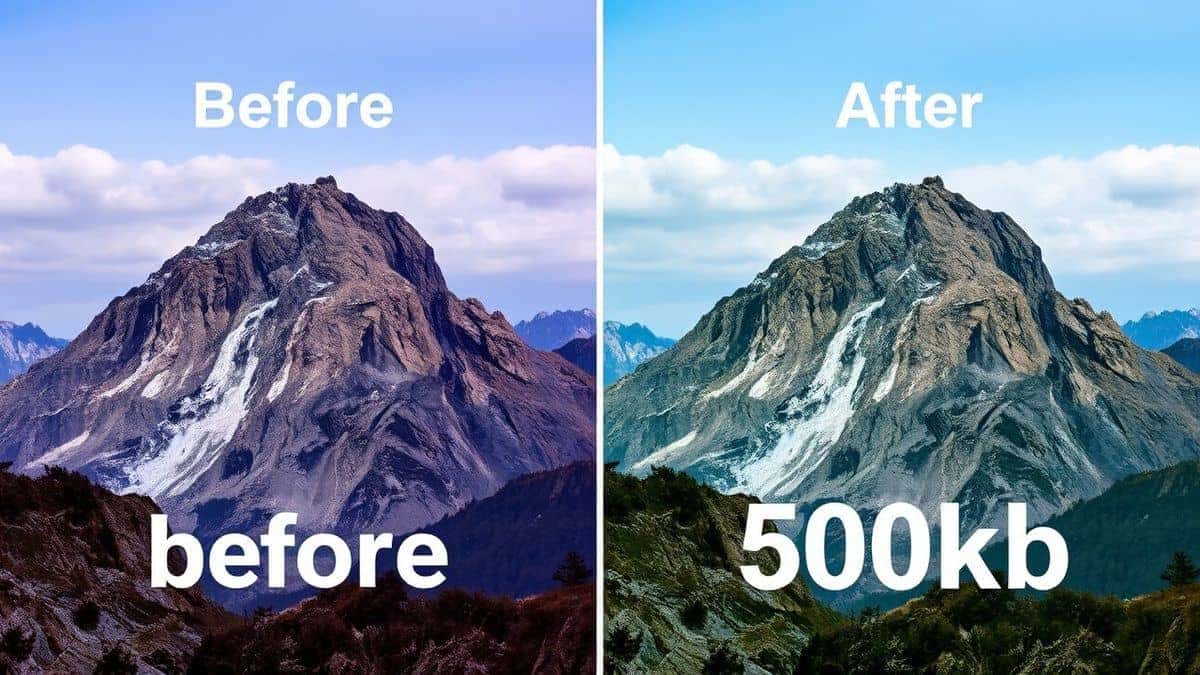
After testing countless compression and extraction tools (both online and offline), the one I consistently return to is ZIP File Extractor from FileCompress. Here's why it stands out:
What Makes It Different
100% Free and Online – No subscriptions, no hidden paid tiers, no software installation. It works entirely in your browser.
No File Size Limits – Many free tools cap uploads at 50MB or 100MB. This one handles much larger files without complaining.
Multi-Format Support – Extracts ZIP, RAR, 7Z, and other archive formats. Plus, it compresses images, PDFs, videos, and audio files.
Precision Compression – This is the killer feature. You can specify exact target sizes like "compress to 100KB" and the tool handles the rest intelligently.
Preserves Quality – Using smart compression algorithms, it maintains visual quality while dramatically reducing file size. I've compressed product images to 80% smaller with no visible difference.
Lightning Fast – Most extractions and compressions complete in seconds.
Privacy Focused – Files are processed securely and automatically deleted after download.
In my experience, most "free" online tools either watermark your files, limit you to tiny uploads, or degrade quality so badly the files become unusable. ZIP File Extractor avoids all these pitfalls.
Step-by-Step Guide: Extract and Compress Files in Minutes
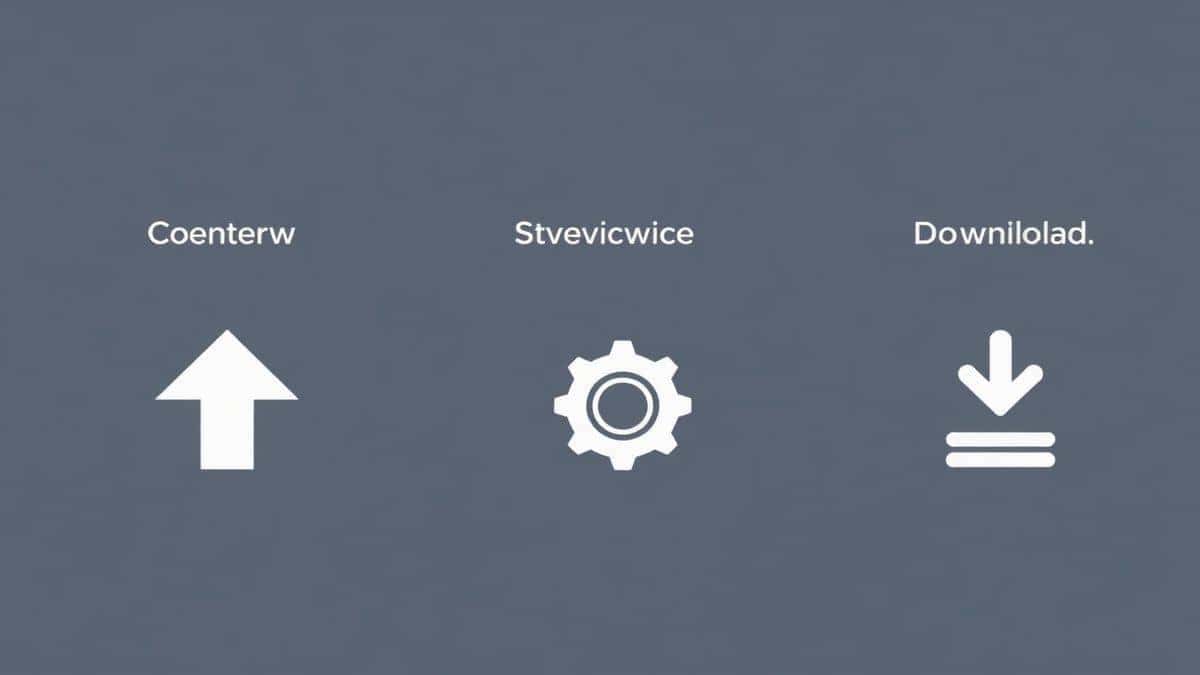
Let me walk you through exactly how to use ZIP File Extractor, based on my own workflow.
Step 1: Access the Tool
Navigate to https://filecompress.org/zip-tools/zip-extractor. The interface loads instantly—no waiting, no signup forms.
Step 2: Upload Your File
Click the upload area and select your ZIP file (or drag and drop). You'll see real-time upload progress. The tool accepts files up to 200MB for extraction.
Step 3: Extract Contents
Once uploaded, click "Extract." Within seconds, you'll see all the files inside your ZIP archive—images, documents, videos, whatever was packed inside.
Step 4: Identify Oversized Files
Here's where the real work begins. Look at the file sizes displayed. If anything exceeds your target limit (like a 5MB image that needs to be under 500KB), you'll need to compress it.
Step 5: Compress to Specific Size
For each file that's too large:
- Select the file
- Choose compression settings (image, PDF, or video options)
- Enter your target size (e.g., 100KB, 200KB)
- Click compress
The tool will intelligently reduce the file to meet your exact specifications.
Step 6: Download
Download individual files or pack them back into a new ZIP archive. Everything is ready for upload, email, or storage.
How to Compress to Specific Size (The Game Changer)
This is where ZIP File Extractor truly excels and why it's become my go-to recommendation for clients with strict upload requirements.
Why Exact KB Compression Matters
Many online tools offer "low/medium/high" compression presets, but that's useless when a form specifically requires a "passport photo under 50KB" or "resume under 100KB". Guesswork leads to either files that are still too large or quality that's been destroyed.
My Proven Process for Precision Compression
Based on hundreds of successful uploads, here's exactly how to hit your target every time:
For Images (Passports, IDs, Product Photos):
- Start with a high-quality original (scan at 300 DPI if possible)
- Upload to ZIP File Extractor
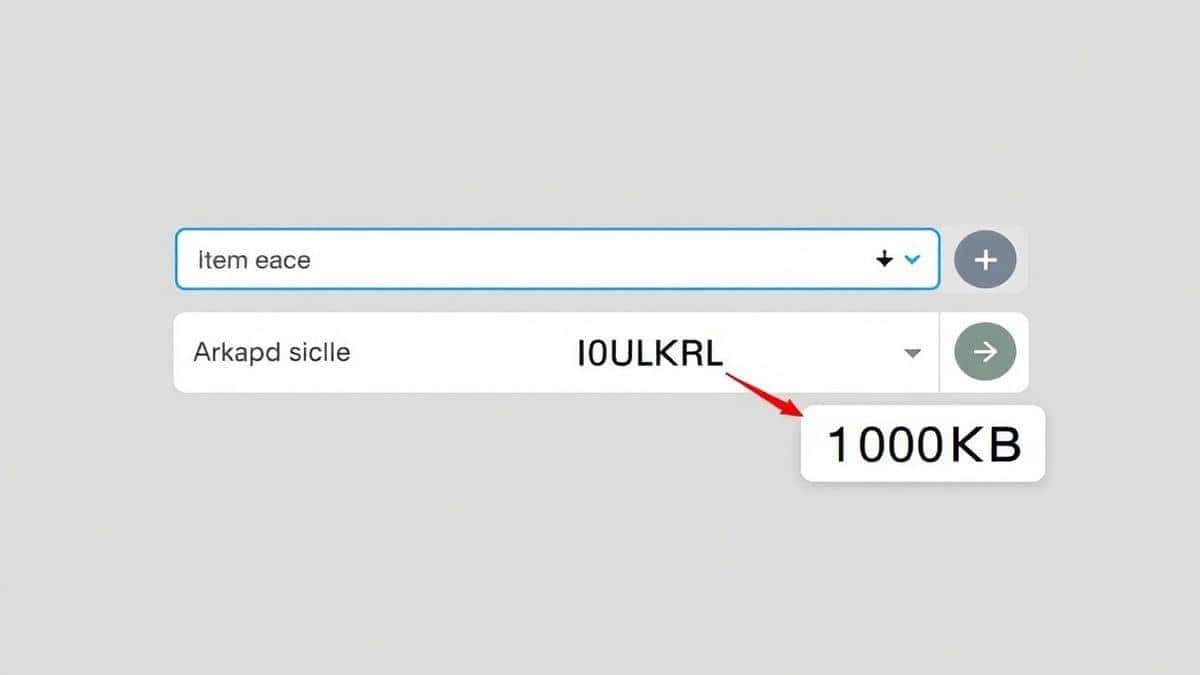
- Select "Compress Image" and choose "Custom Size"
- Enter your exact KB requirement (e.g., 50KB)
- The tool automatically adjusts resolution and compression to hit that target
- Preview before downloading—if quality is slightly lower than desired, try compressing to a slightly higher target (like 60KB) and see if the system accepts it
For PDFs (Applications, Contracts, Reports):
- Upload the original PDF
- Select target size (most forms accept 200KB–500KB for documents)
- Choose whether to keep images inside the PDF or optimize them further
- Download and verify all text remains readable
Real-World Example:
A client needed to submit 10 passport photos for a team visa application. Each photo had to be exactly between 30KB and 50KB. Their originals were 2–3MB each. Using ZIP File Extractor's precise compression, we batch-processed all 10 photos to 42KB each—perfectly within requirements, all retaining facial recognition quality. The visa was approved without a single upload rejection.
Common Target Sizes by Use Case
| Use Case | Typical Size Limit |
|---|---|
| Passport/ID photos | 30KB – 100KB |
| Online forms | 100KB – 500KB |
| Email attachments | 10MB – 25MB total |
| Website images | 50KB – 200KB |
| Job applications | 500KB – 2MB |
| Government portals | 200KB – 1MB |
Best Practices for File Compression
After optimizing thousands of files, I've developed a set of best practices that consistently deliver the best results.
Always Keep an Original
Before compressing anything, save the original file. If you compress too aggressively and lose quality, you can always go back to the source and try again.
Match Format to Purpose
- Photos for web/email: JPG or WEBP (smallest size)
- Screenshots/logos: PNG (if sharpness matters) or WEBP
- Documents: PDF with compression enabled
- Video for sharing: MP4 with H.264 compression
The "Just Enough" Rule
Compress only as much as necessary. If a form allows 200KB, don't squash your image down to 20KB unnecessarily. More compression = more quality loss. Target the upper end of the allowed range.
Check Critical Details
After compression, always verify:
- Text is still readable (especially in PDFs)
- Faces are recognizable (for ID photos)
- Colors haven't shifted dramatically
- Fine details aren't blurry
Batch Process When Possible
If you have multiple files for the same purpose (like 20 product photos for a website), compress them all at once with the same settings. This ensures consistency and saves time.
Common Mistakes to Avoid
I've seen people make these errors repeatedly. Save yourself the frustration.
Mistake 1: Compressing Already Compressed Files
Re-compressing a JPG image repeatedly destroys quality without saving much size. Always work from the original if possible.
Mistake 2: Using Screenshot Tools for Documents
Screenshots create huge files. Scan documents properly or use a document-scanning app instead.
Mistake 3: Ignoring Resolution
A 4000×3000 pixel image will always be large, even with heavy compression. If you're targeting 100KB, resize the image dimensions first (e.g., to 1200×900 pixels).
Mistake 4: Choosing the Wrong Tool
I tested a popular "free" online compressor last week that added a visible watermark to every image. Another tool reduced my 2MB file to 1.8MB—barely any improvement. The right tool makes all the difference.
Mistake 5: Forgetting to Check the Output
Always open compressed files before submitting them. I've had clients upload corrupted or unreadable files because they didn't verify.
Comparison with Other Tools
Let's be honest—there are dozens of file compression and extraction tools available. Here's how ZIP File Extractor stacks up against the alternatives.
vs. Adobe Photoshop
- Photoshop: Powerful but expensive ($20+/month), steep learning curve, requires installation
- ZIP File Extractor: Free, instant, no learning needed, handles extraction AND compression
vs. WinRAR / 7-Zip
- WinRAR: Great for extraction but requires installation, no compression features beyond archiving
- ZIP File Extractor: Browser-based, no installation, includes intelligent compression
vs. Other Online Tools
- Typical online tools: Limited to 10–50MB uploads, often add watermarks, slow processing
- ZIP File Extractor: Handles larger files, completely free, fast, privacy-focused
vs. Mac Preview / Windows Photos
- Built-in tools: Basic compression only, no control over exact KB targets
- ZIP File Extractor: Precision compression to specific sizes, batch processing
What worked best for me was finding a tool that eliminates the middleman. Instead of extracting with one tool, then opening another for compression, then maybe a third for resizing—everything happens in one place.
FAQ
How to extract ZIP files online free without software?
Visit filecompress.org/zip-tools/zip-extractor, upload your ZIP file, and click extract. No registration, no downloads, no cost.
Can I compress files to an exact KB size like 100KB or 200KB?
Yes, this is one of the tool's best features. After extraction, select any image or PDF and choose "Custom Size" to enter your exact target in KB.
Is ZIP File Extractor really free?
Completely free. No hidden premium tiers, no credit card required, no file limits for compression.
Will I lose quality when compressing?
Smart compression minimizes visible quality loss. For photos compressed to reasonable sizes (like 100–200KB), most people cannot tell the difference. For critical images, preview before downloading.
What's the maximum file size I can upload?
The tool handles files up to 200MB for extraction. For compression, individual files can be quite large, though results vary by format.
What file formats are supported?
Extraction: ZIP, RAR, 7Z, TAR, and more. Compression: JPG, PNG, WEBP, PDF, MP4, MOV, MP3, and others.
How secure is this? Are my files private?
Files are processed temporarily and automatically deleted from servers after download. No one else can access your uploads.
Can I use this on mobile?
Yes, the tool works perfectly in mobile browsers. Upload from your phone gallery, extract, compress, and share directly.
What's the best compression setting for email attachments?
For email, aim for total attachment size under 10–15MB. Individual images should be 100–300KB, PDFs under 1MB.
Why does my form keep rejecting my files even after compression?
Check if the form has dimension requirements (like 600×600 pixels) in addition to file size. You may need to resize images before or after compression.
Conclusion
Dealing with oversized files doesn't have to be a headache. Whether you're extracting a ZIP folder of vacation photos, compressing a passport image for an important application, or optimizing website assets for better SEO, the right tools make all the difference.
From my years of experience in file optimization and website performance, I've learned that simplicity wins. You don't need a degree in computer science or expensive software subscriptions. You need a reliable, fast, and free solution that actually works—every single time.
ZIP File Extractor delivers exactly that. It handles the full workflow: extract compressed files, identify oversized content, compress precisely to your target size (50KB, 100KB, 200KB, or whatever you need), and deliver files ready for upload, email, or storage.
Next time you face an "upload failed" message or struggle with email attachment limits, remember: the solution is just a few clicks away. No software installation, no learning curve, no cost—just results.
Ready to take control of your file sizes? Visit ZIP File Extractor now and experience the difference professional-grade compression makes.