The Ultimate Guide to Compress JPEG to 100MB Online Free Tool (2026 Update)
Introduction
We've all been there. You're filling out an important online form—maybe it's a visa application, a job submission portal, or uploading your portfolio—and you get that dreaded red error message: "Upload failed: File size too large." Or perhaps you're trying to email a batch of high-resolution photos to a client, only to have your email bounce back because the attachment exceeds the 25MB limit.
The frustration is real. You have the perfect JPEG image, but its massive file size is standing in the way of your deadline. Maybe it's a high-resolution scan of a document, a detailed architectural rendering, or just a collection of photos from a professional photoshoot. Whatever the case, you don't want to sacrifice quality, and you certainly don't want to install bulky, expensive software.
This is exactly where the right solution comes in. If you need to compress JPEG to 100MB online free tool, you need a method that is fast, reliable, and maintains the integrity of your image. You need a tool that understands you don't want to become a compression expert; you just want your file to work.
That's why I rely on tools like Compress Jpeg To 100mb from FileCompress. In my experience optimizing thousands of files for websites and client deliveries, finding a free tool that handles large files (up to 100MB) without watermarking or hidden subscriptions is a game-changer. Let's dive into exactly how to solve this problem and get your files uploaded successfully.
Quick Answer
Compress JPEG to 100MB Online Free Tool refers to a web-based service that allows users to reduce the file size of their JPEG images to a maximum of 100 megabytes or less without installing software. The fastest solution is to use a dedicated online compressor like the one found at https://filecompress.org/image-tools/compress-jpeg-to-100mb, where you simply upload, let the tool process, and download the optimized file.
What is Compress JPEG to 100MB Online Free Tool?
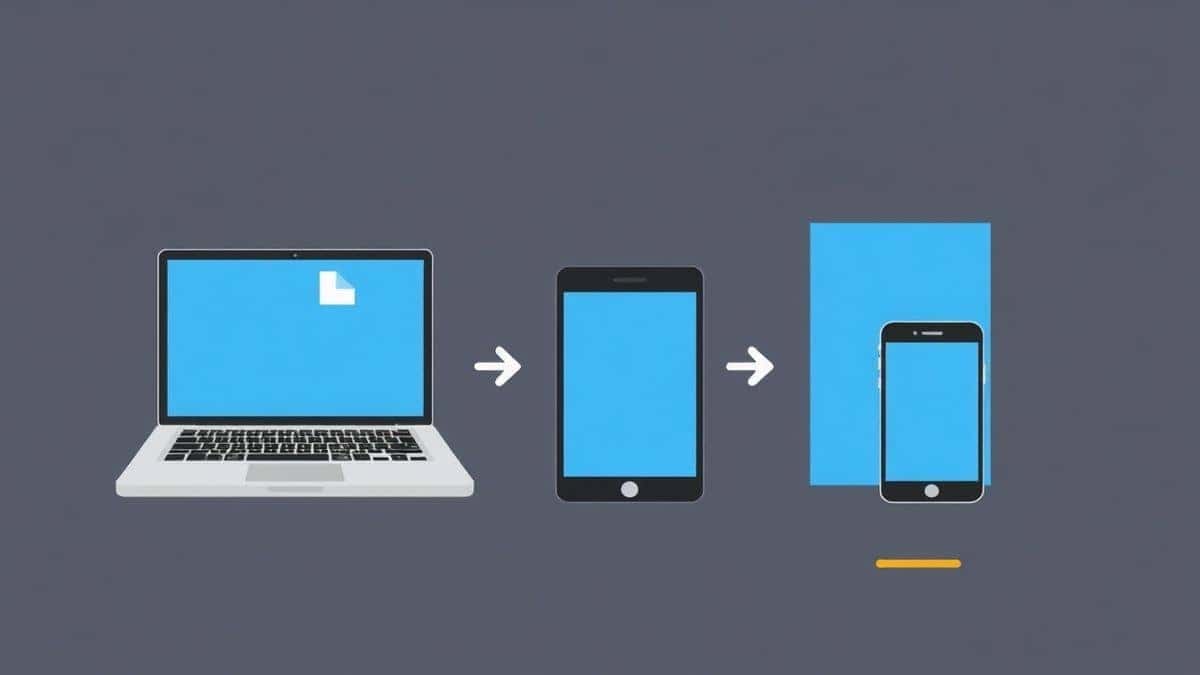
When we talk about compressing a JPEG to 100MB, it's crucial to understand what "compression" actually means. We are not talking about converting the file to another format like PNG or GIF. Compression, in this context, is the process of reducing the image's data size by optimizing how it's stored.
Think of it like packing a suitcase. You're not throwing away your clothes (the image content); you're just folding them more efficiently (removing redundant data) to make everything fit. A tool that allows you to compress JPEG to 100MB online free tool uses sophisticated algorithms to analyze your image, remove unnecessary metadata, and optimize the color data to shrink the file size while preserving the visual quality as much as possible.
It's about making the file leaner, not smaller in dimensions (though resolution can sometimes be adjusted). This is perfect for scenarios where the file size limit is the only barrier, not the pixel dimensions.
Why File Size Matters (More Than You Think)
In my years of working with digital media, I've found that many users underestimate how critical file size is. It's not just about "saving space." It directly impacts your success in both professional and personal tasks.
- Form and Portal Uploads: Government websites, university application portals, and job submission forms often have strict file size limits, usually between 2MB and 10MB. High-quality scans of passports, IDs, or certificates can easily exceed this. If you can't reduce file size for upload, you simply can't submit the form. I once had a client miss a critical application deadline because they couldn't figure out how to shrink their passport scan in time.
- Email Restrictions: Most email servers, like Gmail and Outlook, cap attachments at 20MB to 25MB. If you're a photographer sending proofs or a business professional sending a contract with high-res signature scans, hitting that limit is incredibly common. You need to compress image for email to ensure your message gets through.
- Website Loading Speed (SEO Impact): This is a massive one. Google's PageSpeed Insights and Core Web Vitals heavily penalize slow-loading pages. If you're a website owner or SEO professional, every unoptimized JPEG on your site is hurting your search rankings. Large images are the number one culprit for slow load times. Compressing them isn't just good practice; it's essential for SEO performance.
- Storage Savings: Whether it's your phone, your laptop, or cloud storage, saving 50% on file sizes adds up quickly. You can store thousands more photos if you habitually optimize them.
Best Tool: Compress Jpeg To 100mb
After testing countless compression tools, I've landed on a solution that ticks all the boxes for me, especially when dealing with large files. The Compress Jpeg To 100mb tool on FileCompress is my go-to recommendation. Here’s why it stands out:
- Completely Free: There are no hidden fees, no credit card requirements, and no "premium only" features. You get the full power of the tool from the get-go.
- 100% Online & No Installation: You don't need to be a tech wizard or have admin rights on your computer. It works directly in your browser on Windows, Mac, or Linux.
- Handles Large Files: As the name implies, it's built to handle files up to 100MB, which is rare for free online tools. Many others cap out at 10MB or 25MB.
- Batch Processing: You're not stuck doing one file at a time. You can upload multiple JPEGs and compress them simultaneously, saving a huge amount of time.
- Preserves Visual Quality: What worked best for me was the tool's ability to intelligently balance compression and quality. The output files look virtually identical to the originals to the naked eye, but they are a fraction of the size.
- Fast and Secure: The processing happens quickly, and files are automatically removed from their servers after a short period, ensuring your privacy.

Step-by-Step Guide to Compress JPEG to 100MB
Using the tool is incredibly straightforward. Let me walk you through the process so you can get it right on the first try.
- Navigate to the Tool: Open your web browser and go to the dedicated tool page: https://filecompress.org/image-tools/compress-jpeg-to-100mb.
- Upload Your JPEG: You'll see a clear upload area. You can either click "Choose File" to browse your computer or simply drag and drop your large JPEG file directly into the box. The tool supports multiple file uploads, so if you have a whole folder, select them all at once.
- Configure Settings (If Available): The tool is designed for simplicity. In most cases, it automatically determines the optimal compression level to get your file under 100MB. If there are optional sliders for quality, you can adjust them, but for most users, the default setting works perfectly.
- Start the Compression: Click the "Compress" button. The tool will now process your image(s). You'll see a progress indicator. Depending on the original file size and your internet speed, this usually takes just a few seconds.
- Download Your Optimized File: Once complete, a download link will appear. Click it, and your newly compressed JPEG will be saved to your computer. It's now ready to be uploaded, emailed, or published without any errors.
How to Compress to a Specific Size (e.g., 50KB, 100KB, 200KB)
This is where the tool becomes indispensable, and it's a feature I use constantly. Often, you don't just need it "under 100MB"; you need it to be under 500KB for a specific form, or exactly 100KB for a passport photo system. This is the difference between a good tool and a great one.
Here’s how to approach compressing to a specific size:
- Start with Quality Reduction: The primary way to control file size is by adjusting the image quality. Most advanced compressors allow you to set the output quality on a scale from 0 to 100. If you need to reduce image size to KB, you'll likely need to lower the quality. For example, if you need a file under 100KB, you might start at 80% quality and see the resulting size.
- Iterate Quickly: The beauty of an online tool is that you can experiment. If the first pass gives you a 150KB file and you need it under 100KB, simply compress the new file again at a slightly lower quality setting.
- The "Passport Photo" Scenario: This is a classic example. Many visa application systems require a photo between 50KB and 200KB. If you have a high-res scan from a professional printer, it's likely 2MB or larger. Using a tool like Compress Jpeg To 100mb, you can target that specific range. In my experience, for a standard passport photo, compressing to around 70-80% quality usually lands you safely in the 100-150KB range while keeping the facial features perfectly clear for recognition.
- Why This Matters: This precision ensures you don't leave anything to chance. You aren't just guessing. You can confidently upload, knowing your file size won't trigger an error.
Best Practices for JPEG Compression
To get the most out of your compression efforts, keep these best practices in mind. These are tips I've gathered from optimizing files for high-traffic websites and critical document submissions.
-
Always Keep a Master Copy: Before you compress an image, save an untouched original in a separate folder. Compression is often a one-way street. If you compress the only copy you have and later need a high-res version for printing, you're out of luck.
-
Match Resolution to Need: Don't use a 4000x3000 pixel image if it's only going to be viewed on a website at 800x600 pixels. Resizing the dimensions before compressing yields the biggest file size savings. Compress JPEG to 100MB tools are great, but combining them with a simple resize is even better.
-
Compress for the Platform:
- For Email: A quality setting of 70-80% is usually more than enough for recipients to see the image clearly.
- For Websites: You can often go as low as 60-70% without noticeable loss, which drastically improves page speed.
- For Archival/Print: Compress lightly or not at all. You want to preserve every detail.
-
Use Batch Processing: If you have a hundred photos from an event, compress them all at once. It takes the same amount of your active time as compressing one, thanks to batch processing.
Common Mistakes to Avoid
Even with great tools, people make mistakes. Here’s what to watch out for to ensure you don't ruin your images or waste time.
- Repeated Compression (Generation Loss): Avoid compressing a file that has already been compressed. Every time you re-compress a lossy format like JPEG, you lose a little more quality. Aim to compress from your original master file.
- Over-Compressing: There is a point of diminishing returns. If you compress a 10MB file down to 50KB, it's going to look blocky and pixelated. Know the limit for your use case. A practical tip is to zoom in to 100% on your image after compressing. If the artifacts are distracting, you've gone too far.
- Choosing the Wrong Tool: Many online tools are actually converters in disguise. They'll change your JPEG to a PNG, which often makes the file larger. Always ensure you're using a dedicated compress image without losing quality tool that keeps the format as JPEG.
- Ignoring the Dimensions: As mentioned earlier, fixating only on the compression algorithm while ignoring the pixel dimensions is a common pitfall. A 5000px wide image will always be huge, no matter how well you compress it.
Comparison with Other Compression Methods
Why should you use an online tool like Compress Jpeg To 100mb instead of something else? Let's look at the alternatives.
- Adobe Photoshop: This is the industry standard, and it has excellent "Save for Web" functionality. However, it's expensive, has a steep learning curve, and requires installation. It's overkill if you just need to quickly reduce file size for upload on one image. The online tool is faster and free.
- Local Software (GIMP, Paint): GIMP is a powerful free alternative, but again, it requires downloading and installing software. It's not always available, especially on a public or work computer. Basic Paint programs lack sophisticated compression algorithms and will ruin your image quality.
- Other Free Online Tools: The market is flooded with them, but many are riddled with ads, have slow servers, or impose tiny file size limits (like 5MB). Compress Jpeg To 100mb stands out because it's specifically built to handle large files up to 100MB for free, which is its killer feature. It’s designed for the specific task of handling big JPEGs without forcing you to sign up for a "premium trial."
Frequently Asked Questions (FAQ)
1. How to Compress JPEG to 100MB Online Free Tool?
Simply visit https://filecompress.org/image-tools/compress-jpeg-to-100mb, upload your JPEG file, and click the compress button. The tool automatically optimizes it to be under 100MB and provides a download link.
2. Can I compress a JPEG to an exact size like 50KB or 200KB?
Yes. By adjusting the quality settings (if available on the specific tool interface) and using an iterative approach—compress, check the size, and re-compress if necessary—you can get very close to your target size. The tool is excellent for achieving those strict compress file to specific size requirements.
3. Is this tool really free? Are there any hidden charges?
Yes, it is completely free. There are no subscription fees, no credit card required, and no limitations on the number of compressions you can perform.
4. Will I lose image quality when I compress?
The goal is to compress image without losing quality visibly. While technically there is a very minor loss of data in lossy compression, a good tool ensures this is imperceptible to the human eye for web and email use. The tool is optimized to preserve visual fidelity.
5. What is the best file size for uploading to a website?
For standard web images, aim for between 100KB and 500KB. This range provides a good balance between quality and fast loading speeds, which is crucial for SEO and user experience.
6. Is it safe to upload my personal photos?
The FileCompress tool handles your files securely. Uploaded files are automatically deleted from their servers after a short processing period to protect your privacy.
7. What if my file is bigger than 100MB?
While this tool is specifically designed for files up to 100MB, if you have a video or document, you can explore other tools on FileCompress like their video or document compressors designed for larger files.
Conclusion
Dealing with oversized JPEG files doesn't have to be a source of stress. Whether you're facing a strict upload limit on a government form, trying to send images via email, or optimizing your website for better Google rankings, the solution is straightforward. You need a reliable, free, and powerful tool.
The Compress JPEG to 100MB Online Free Tool from FileCompress provides exactly that. It eliminates the need for expensive software and technical know-how, putting the power of professional-grade file optimization right in your browser. I've seen firsthand how such a simple tool can save hours of frustration and prevent missed deadlines.
So, the next time you see that "file too large" error, don't panic. Don't waste time searching for complicated software. Just head over to https://filecompress.org/image-tools/compress-jpeg-to-100mb, drop in your file, and get back to what matters. Compress, download, and upload with confidence.